When a business in Orlando needs urgent control over keys, these notes were written for that exact situation. My perspective comes from field work with commercial clients and many late-night lock calls, not from locksmith brochures. The goal is to leave you with realistic steps, clear trade-offs, and confidence to act quickly after a key-related emergency.
Why a business in Orlando cannot ignore emergency key control
A single unaccounted-for key can become a liability overnight. Small retailers and large offices both face similar exposure when keys leave the building. The long-term cost of a breach often dwarfs the upfront cost of replacing cylinders or changing a master key.
What to do in the first hour after discovering a missing business key
Reach out to a 24 hour locksmith with commercial experience, and immediately limit further access while you assess the situation. If the lost key is a master key or opens multiple doors, assume compromise and escalate to cylinder replacement or controlled-key hardware. Document the incident with time, who discovered the key was missing, and what areas the key opened, because good documentation speeds replacement and insurance claims.
Assessing the scale: loss of a single tenant key versus a master key
A lost tenant key that only opens one office is a smaller problem than a missing master key, and your response can match that scale. Master-keyed systems spread risk across many doors, making targeted fixes risky and often prompting broader hardware changes. Base your decision on the number of affected doors, the assets at risk, and the logistical window you have for making changes.
Practical remediation paths and what you give up or gain with each
If the hardware is in good shape, rekeying is fast and economical, yet it keeps the same physical locks. Changing cylinders replaces the core and gives a cleaner reset of access without replacing entire door sets, but it takes more parts and coordination. Moving to a restricted keyway or patented key system prevents unauthorized duplications, and that stronger control comes with higher hardware costs and sometimes bureaucratic steps. Going to electronic access control eliminates physical keys entirely for many doors, gives audit trails, and simplifies revocation, but it has a higher setup cost and relies on power and network infrastructure.
What to expect from a locksmith who advertises 24 hour service
A 24 hour locksmith with commercial experience brings parts, field-tested procedures, and the ability to act quickly when a key crisis happens outside business hours. They can perform temporary measures such as installing a temporary cylinder, securing high-value areas, and scheduling full changes during daylight where necessary. Request mobile key fob replacement proof of insurance, commercial experience, and familiarity with insurance procedures, since claims are easier with a documented chain of custody and professional invoices.
Handling master keys and multi-tenant situations in practical terms
Partial rekeying of a master system can create mismatches and hidden access points if not mapped carefully. A full rekey of the master system is disruptive and costs more, but it restores a single root of trust and eliminates doubt about who can enter. Consult management and leases to avoid breaching tenant rights when you change shared access or common-area hardware.
How restricted key systems stop casual duplication
A restricted system stops employees or outside actors from getting copies made easily because blank keys are restricted and require proof to order. In one real case, moving to restricted blanks made it impossible for ex-employees to obtain duplicates, which reduced repeat loss incidents. The downside is cost and vendor dependency; restricted systems cost more and you will rely on authorized dealers for future key copies and changes.
Electronic access as a longer-term strategy for emergency control
Electronic credentials provide immediate revocation and entry logs, which address many of the weaknesses of physical keys. Plan for backup power, clear policies, and a service contract, because electronic locks rely on power and sometimes network connectivity. Start with critical doors like inventory rooms and safe areas, and phase in common areas over time to spread cost and minimize disruption.
Human processes matter as much as hardware when it comes to key control
Put simple rules on how keys are issued, logged, and returned, and make lost-key reporting mandatory to react quickly. Teach employees the reasons behind restricted key policies and the exact steps to report lost or suspicious key activity to ensure fast containment. A manageable key storage and sign-out procedure provides the trace you need when investigating a missing key.
Budgeting for emergency changes: realistic costs and timing
A simple rekey of a single cylinder can be relatively inexpensive and completed within an hour, while a full master system rekey can take days and a higher budget. Restricted-key hardware and electronic access add hardware and administrative fees up front, though they lower long-term operational risk and duplication costs. After-hours service carries premium fees, but rapid response can avoid inventory loss or liability that would be far costlier.
Real-life story: a late-night lost master key and how it was handled
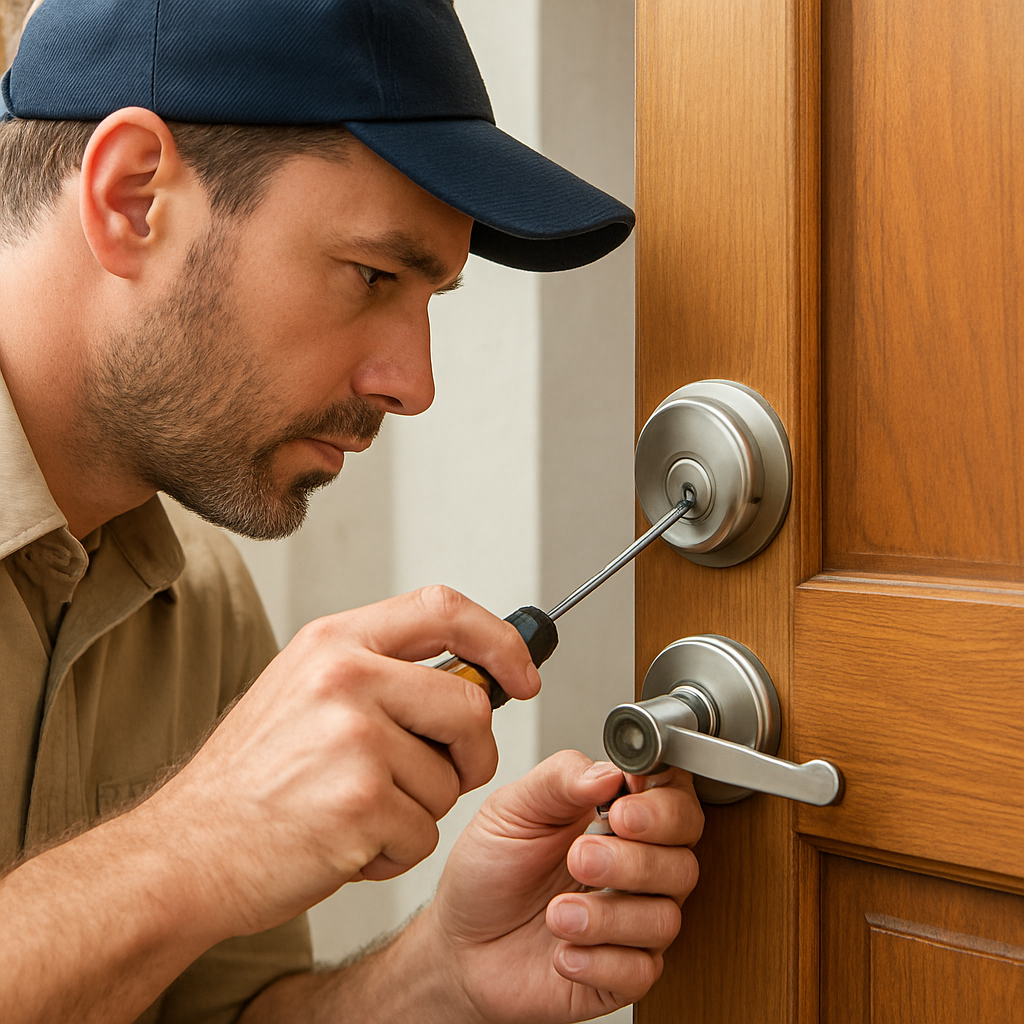
In a typical incident, a shopkeeper found the master key missing at night and reached an on-call locksmith who provided immediate containment and a follow-up plan. Temporary cores and added secondary locks bought time until a full system rekey could be scheduled, a strategy that balanced security and budget. That approach minimized overnight exposure and avoided a full-swing closure, and it showed how staged responses preserve business continuity.
Vendor vetting checklist that actually matters
Ask whether the locksmith has commercial master-key experience, carries commercial parts, and can provide references from other business clients. Request proof of insurance and a clear, written estimate that distinguishes emergency fees, parts, and follow-up work to avoid surprises. Red flags include refusal to produce credentials, vague timelines, and pressure to accept unnecessary hardware upgrades without proper explanation.
A short operational checklist you can use tonight if a key goes missing
Contact a commercial 24 hour locksmith with master-key and restricted-key experience as your first step. Move high-value inventory or lock it in an alternate secure container and write down the timeline and witness statements to preserve the record. Decide on the scale of remediation based on the key type, then schedule rekey, cylinder change, or phased electronic conversion according to budget and risk tolerance.
With prompt action, a qualified 24 hour locksmith, and a prioritized plan, a missing key can be resolved without long-term damage. Convert the response experience into policy and vendor relationships so future losses are handled quickly and cleanly. If you want to discuss scenarios specific to your building, rotation of staff, or a master key map, a detailed on-site survey will point to the best mix of rekeying, restricted keys, and electronic options.